
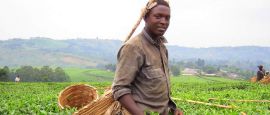



Fort Patiko, also known as Baker's Fort, lies in northern Uganda near Gulu and dates back to the 19th century. Originally used as a slave trading post before being occupied by British forces, the site features earthworks and remnants of fortifications. It offers a glimpse into the region's complex history and provides a quieter, off-the-beaten-path experience.
Book and Go

Latest features
Uganda things to see and do
Fort Patiko
Bwindi Impenetrable National Park
This park in south-western Uganda is a UNESCO World Heritage Site and one of Africa's most important conservation areas, home to roughly half of the world's remaining mountain gorillas. Trekking permits are limited and must be obtained in advance through the Uganda Wildlife Authority. Beyond gorillas, the park supports remarkable biodiversity, with hundreds of bird species and a rich variety of plant life.
Igongo Cultural Centre
Situated near Mbarara in western Uganda, the Igongo Cultural Centre offers an engaging introduction to the history and heritage of the Ankole region. The centre includes a museum, cultural exhibits, traditional architecture, and a restaurant serving local dishes. It is a convenient and informative stop for travellers exploring southwestern Uganda.
Jinja and the Source of the Nile
Jinja, about 80km east of Kampala, is closely associated with the source of the White Nile, where the river flows out of Lake Victoria. It is known as Uganda's adventure capital, offering activities such as white-water rafting, kayaking and boat trips on the Nile. The Speke Monument marks the historic source, while the town itself has a relaxed atmosphere with cafés and access to nearby Mabira Forest for nature walks and birdwatching.
Kampala
Kampala, Uganda's capital, is a lively city spread across several hills, with markets, cultural sites and a busy urban atmosphere. Key attractions include the Kasubi Tombs, the Uganda Museum and the Uganda National Mosque, which offers panoramic city views. The city is also known for its large markets, diverse food scene and traditional music and dance performances.
Kibale National Park
Kibale National Park near Fort Portal in western Uganda is known for having one of the highest primate densities in Africa, including a large population of chimpanzees. Chimpanzee tracking is the main attraction, with guided walks offering close encounters in the forest. The park is also rich in birdlife and rainforest biodiversity, with nearby Bigodi Wetland Sanctuary providing additional opportunities for birdwatching and nature walks.
Kidepo Valley National Park
Kidepo Valley National Park, in Uganda's remote north-east near the borders with South Sudan and Kenya, is one of the country's most isolated and rewarding parks. Its semi-arid landscapes support species rarely seen elsewhere in Uganda, including cheetah, ostrich, and large buffalo herds, as well as lion and elephant. Though difficult to reach, the park offers outstanding game viewing with few visitors, adding to its sense of wilderness.
Lake Bunyonyi
Lake Bunyonyi, in south-western Uganda near the Rwandan border, is one of the country's most scenic spots, with terraced hills and 29 small islands. At around 1,950m above sea level, it has a cool climate and is safe for swimming. Popular as a stop between Kampala and Bwindi, it offers activities such as canoeing, kayaking and visits to local communities, with accommodation ranging from simple hostels to lakeside lodges.
Mgahinga Gorilla National Park
Mgahinga National Park, Uganda's smallest, lies in the far south-west on the slopes of three extinct Virunga volcanoes. It offers gorilla trekking as a quieter alternative to Bwindi, along with golden monkey tracking and challenging volcano hikes. The Batwa Trail provides insight into local indigenous culture, making it a compact but rewarding destination often combined with a visit to Lake Bunyonyi.
Murchison Falls National Park
Murchison Falls National Park, Uganda's largest, lies in the north-west, where the Victoria Nile surges through a narrow gorge before plunging 43 metres. The park offers classic safari experiences, with wildlife such as elephants, giraffes, lions, and buffalo, as well as chimpanzee tracking in forested areas. Boat trips to the base of the falls and sightings of the rare shoebill stork are among the highlights.
Queen Elizabeth National Park
Queen Elizabeth National Park in western Uganda features landscapes ranging from savannah and wetlands to forests and crater lakes. It is best known for its tree-climbing lions in the Ishasha sector and boat cruises along the Kazinga Channel, where hippos, crocodiles and birdlife are abundant. Chimpanzee tracking in Kyambura Gorge and scenic crater lake views add to the experience, making it a varied and rewarding safari destination.
Rwenzori Mountains National Park
The Rwenzori Mountains, known as the "Mountains of the Moon", form a dramatic range along the border with the Democratic Republic of the Congo and are protected as a UNESCO World Heritage Site. The range includes Margherita Peak at 5,109m, Africa's third-highest summit, and offers multi-day treks through varied landscapes from rainforest to alpine zones. Shorter hikes to waterfalls and viewpoints are also available, making the park accessible to a range of visitors.
Ssese Islands
The Ssese Islands are an archipelago of 84 islands in Lake Victoria, with Kalangala the main visitor destination, accessible by ferry from the mainland. Known for their lush vegetation and quiet beaches, the islands offer a relaxed escape with activities such as swimming, forest walks and birdwatching. Accommodation ranges from simple campsites to lodges, making them a peaceful break from the safari circuit.
Ziwa Rhino Sanctuary
Ziwa Rhino Sanctuary is the only place in Uganda where you can see wild rhinos. Established as a breeding programme to reintroduce rhinos to national parks, it offers guided walking safaris that allow close encounters on foot. Often visited en route to Murchison Falls, the sanctuary also supports other wildlife and reflects Uganda's conservation efforts.
Do you have any Feedback about this page?
© 2026 Columbus Travel Media Ltd. All rights reserved. No part of this site may be reproduced without our written permission, click here for information on Columbus Content Solutions.



 You know where